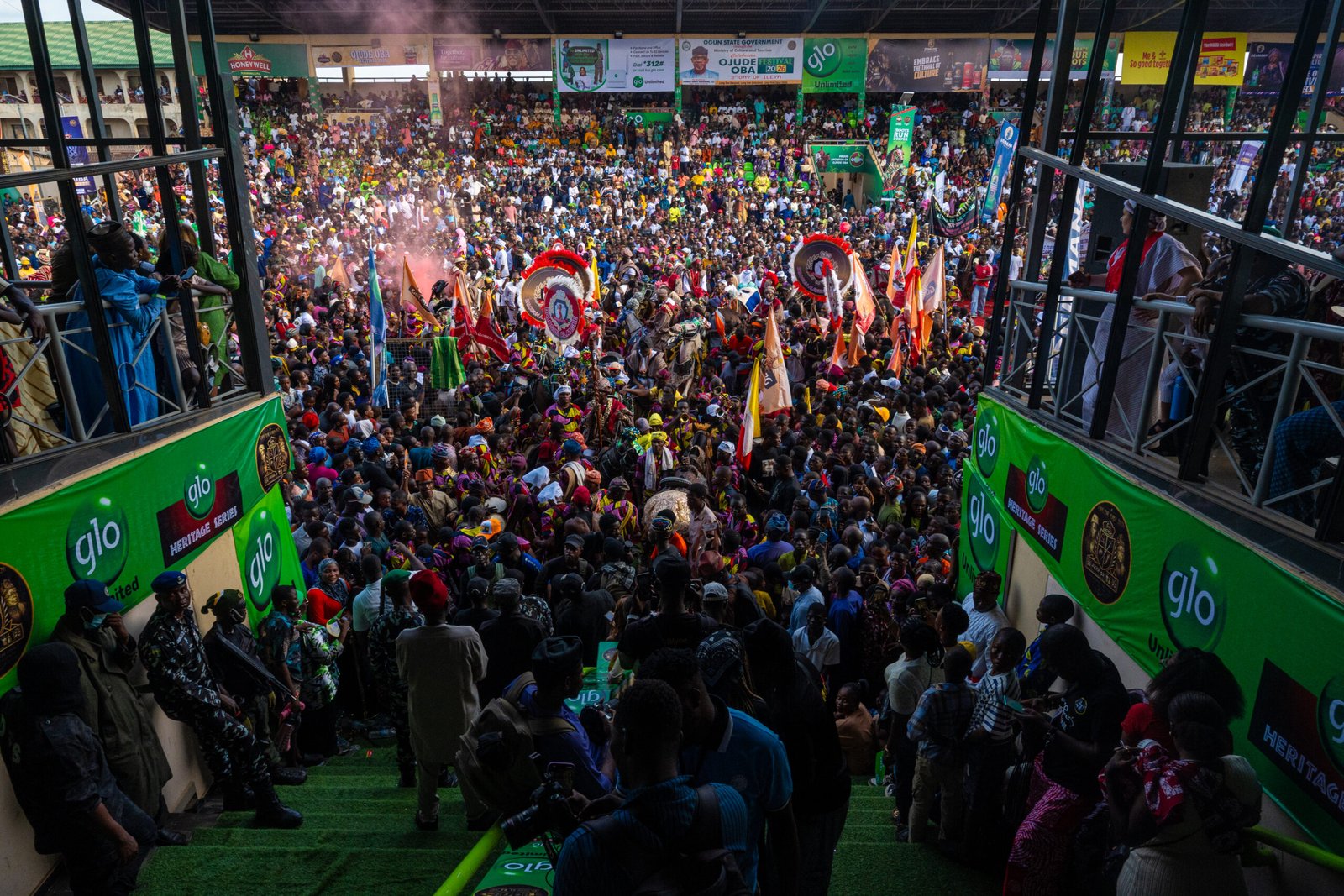
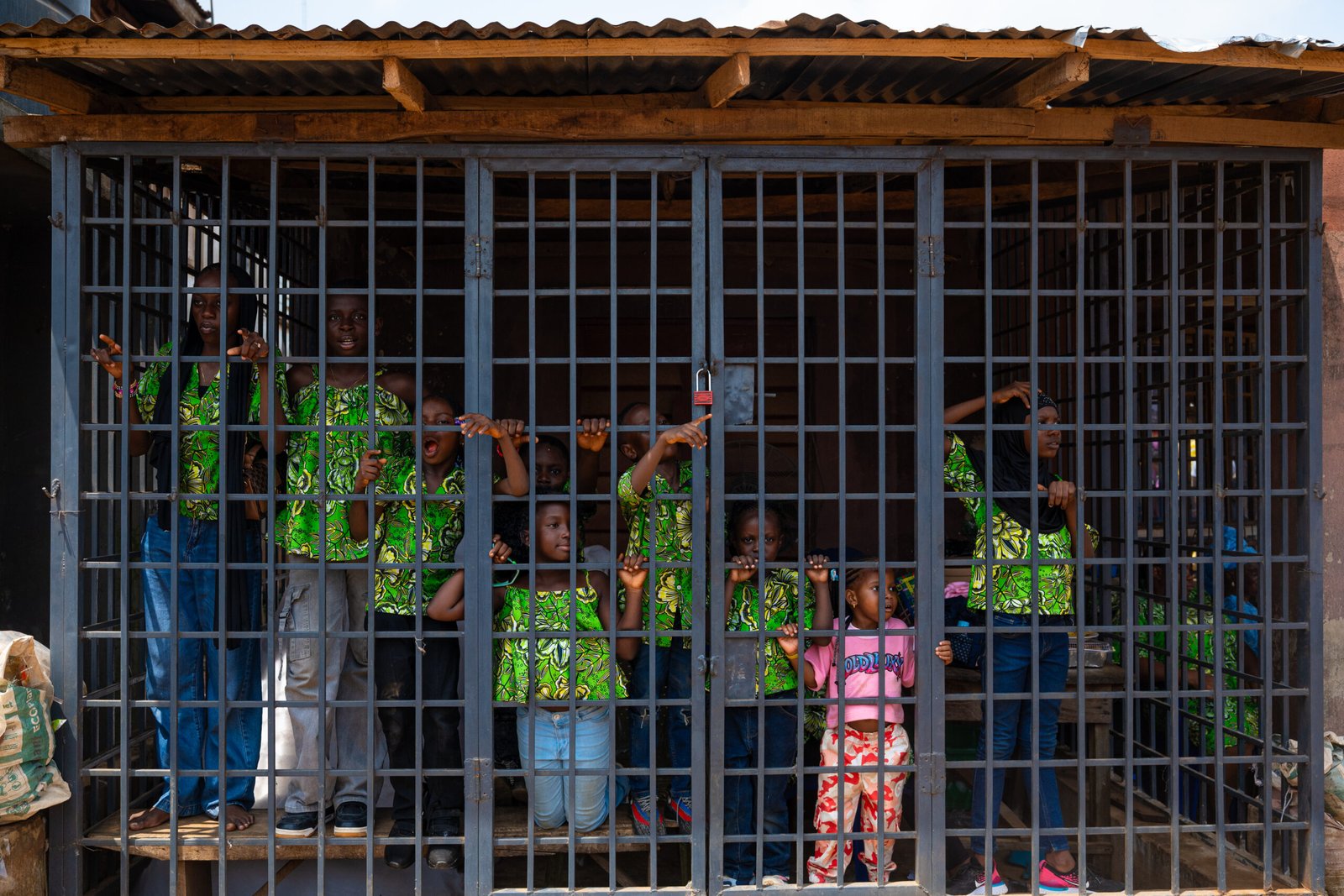
Visual storytelling doesn’t announce itself loudly. Its impact is often subtle at first; a pause, a longer look, and a feeling that something resonates even before it’s fully understood. Over time, those small moments of recognition begin to add up.
When you invest in visual storytelling, the first thing that changes is clarity.
Images stop existing in isolation. They begin to relate to one another. They tell a coherent story about who you are, what you value, and how you show up in the world. Whether for a person or a brand, this clarity removes confusion and replaces it with intention. People understand you faster. They know what to expect; not because you told them, but because your visuals quietly explained it.
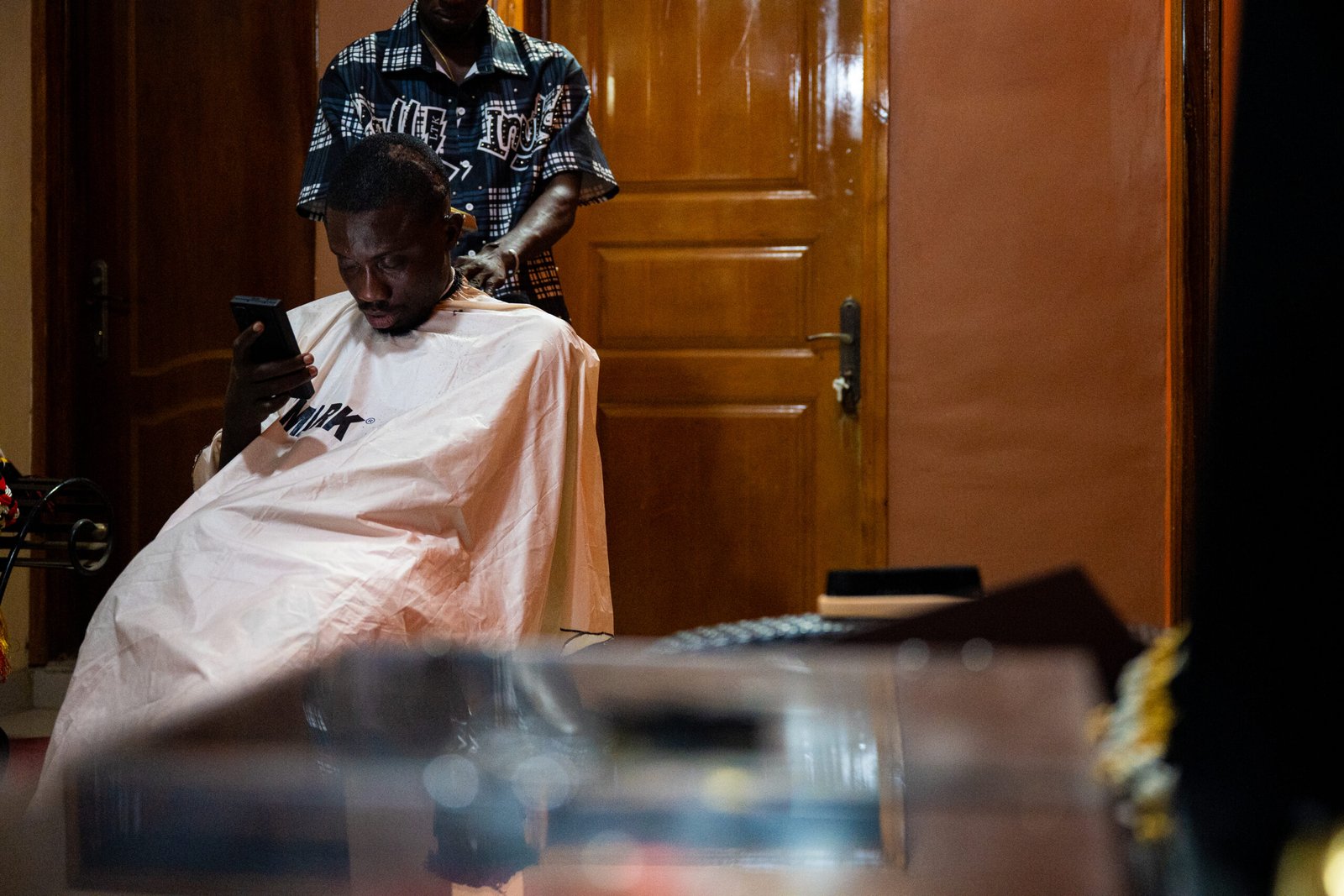

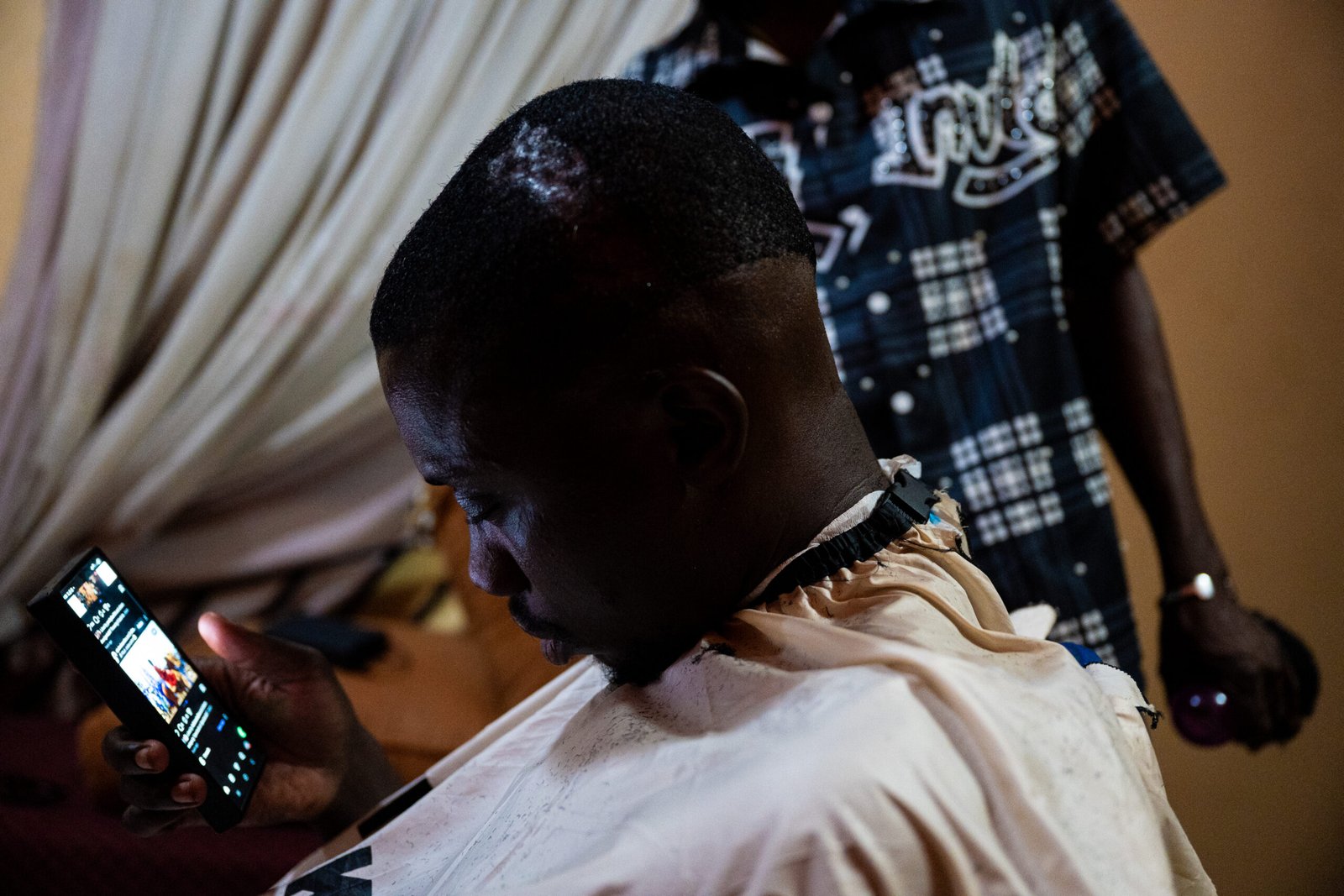
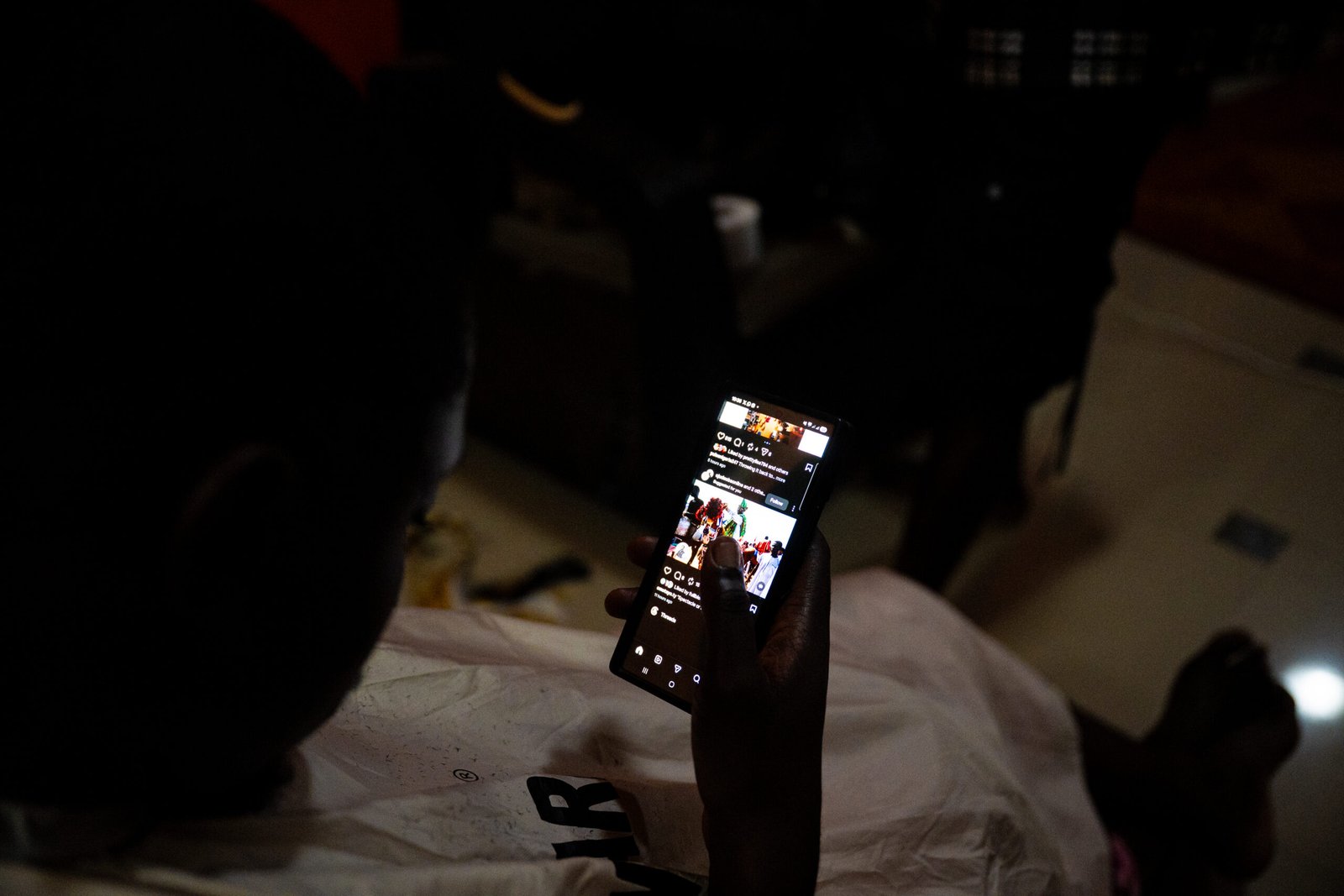
The second shift is connection.
Visual storytelling prioritises meaning over volume. It pays attention to context, emotion, and nuance. Instead of chasing attention, it invites engagement.
For audiences, this creates familiarity.
For clients, it builds trust.
For communities, it creates memory.
Stories, when told visually, are easier to remember than information. They stay longer in the subconscious mind and that staying power is what separates fleeting content from lasting impact.








Another outcome is consistency.
When storytelling guides imagery, decisions become easier. What to shoot and how to shoot it. What belongs, and what doesn’t. Over time, this consistency becomes a visual signature. Not because everything looks the same, but because everything feels related. This is especially powerful for brands as campaigns begin to reinforce each other instead of competing for attention. Visuals start to accumulate value rather than expire with each new release.
For individuals, visual storytelling offers something equally important: authentic representation.
You’re no longer performing for the camera. You’re being interpreted thoughtfully. The images reflect your presence, your energy, and your direction. Not just how you look on a particular day, but your way of life and person








There is also a long-term effect that’s easy to overlook: legacy.
Visual storytelling considers how images will age. It resists trends that feel urgent but temporary. It favours honesty, mood, impact and meaning; elements that remain relevant, long after the moment has passed. In doing so, it creates an archive and a reference, not just a gallery.
Perhaps the most significant change, however, is how people respond.
When visuals tell a story, audiences engage differently because conversations become deeper and inquiries become more intentional. People arrive already understanding something or having an opinion and knowledge about you. You spend less time explaining, and more time creating.
Investing in visual storytelling is not about producing more images, it’s about producing images that do more.
They clarify.
They connect.
They endure.
And over time, they shape how you are seen, remembered, and trusted.